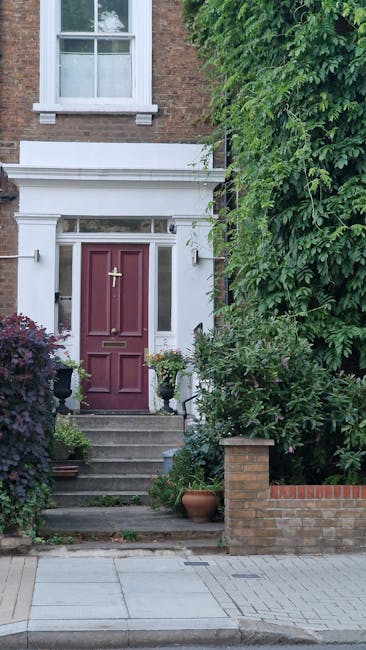
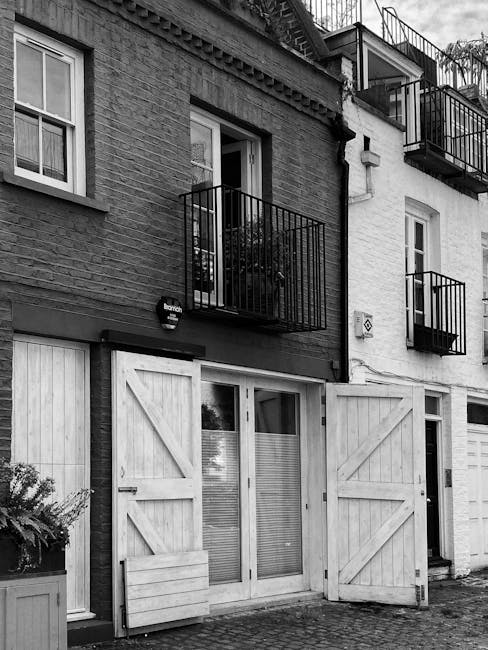
Notting Hill gardeners before and after mews makeover: what changes, why it works, and how to get it right
If you have ever walked past a tucked-away Notting Hill mews and thought, that used to look tired, you already understand the appeal of a good makeover. The difference a skilled gardener can make is often bigger than people expect. In the case of Notting Hill gardeners before and after mews makeover projects, the transformation is usually not just visual. It is about light, flow, privacy, maintenance, and making a small outdoor space feel properly usable again.
Mews gardens in this part of London come with their own quirks: narrow plots, shading from buildings, awkward access, and neighbours close enough to hear the secateurs. That does not mean they are difficult for good gardeners. It means they need a plan. This guide breaks down what changes before and after a mews makeover, how the process works, where the real value comes from, and what to watch out for if you are considering one yourself.
For readers comparing services or just trying to understand the process, this article leans into the practical side: design logic, clearance, planting, upkeep, decking, hedge work, tree management, and the kind of detail that separates a polished result from a messy one. If you want a broader look at the company side of things, you can also review the team's background and approach or see how their landscape gardening service fits into larger outdoor projects.
Quick takeaway: a mews makeover is rarely about "more plants". It is usually about better structure, better use of space, and maintenance that stays realistic after the first impressive week.
Table of Contents
- Why Notting Hill gardeners before and after mews makeover matters
- How Notting Hill gardeners before and after mews makeover works
- Key benefits and practical advantages
- Who this is for and when it makes sense
- Step-by-step guidance
- Expert tips for better results
- Common mistakes to avoid
- Tools, resources and recommendations
- Law, compliance, standards, or best practice
- Options, methods, or comparison table
- Case study or real-world example
- Practical checklist
- Conclusion
- Frequently asked questions
Why Notting Hill gardeners before and after mews makeover Matters
The phrase "before and after" can sound a little dramatic, but in a mews setting it is often accurate. A neglected courtyard or compact rear garden can quickly become a catch-all for weeds, broken pots, slimy paving, dead shrubs, and the sort of half-finished ideas that seemed sensible on a wet Sunday afternoon. Then a proper makeover happens and suddenly the space feels calm, ordered, and part of the home again.
Why does this matter in Notting Hill specifically? Because mews properties are usually high-value, design-aware homes where every square metre has to earn its keep. A garden that looks good but cannot be lived with is not much use. Likewise, a low-maintenance space that feels cold and featureless can flatten the whole property. The sweet spot is usually somewhere in the middle: elegant, durable, and easy enough to maintain without turning life into a gardening schedule.
There is also the practical side. Smaller gardens amplify every issue. Poor drainage is more obvious. Shade patterns matter more. A hedge that is slightly too tall can make the whole place feel boxed in. A loose paving edge that would be annoying in a large garden becomes the first thing you notice in a mews. Good gardeners know this. They work with proportion, sightlines, and access, not just with soil and scissors.
To be fair, the "before" is often not terrible. It is just underused. The "after" should not look overworked either. The best outcomes usually feel as though the garden has been quietly corrected rather than redesigned for the sake of it.
How Notting Hill gardeners before and after mews makeover Works
A mews makeover usually starts with assessment. A competent gardener or landscaper looks at the existing space and asks some simple but important questions: Where does water sit after rain? What gets sun, and what stays shaded? Which parts of the space are visually cluttered? What do you want the garden to do? Sit out, entertain, soften hard architecture, protect privacy, or simply stay presentable all year?
From there, the work normally moves through a few connected stages. Some of these happen in sequence, while others overlap a bit. That is normal. Real gardens are not neat little diagrams, despite what polished drawings suggest.
Typical stages include:
- Clearance and reset - removing dead growth, clutter, unwanted materials, and awkward leftovers from previous planting or building work. A thorough garden clearance can be the difference between a fresh start and a patchy one.
- Structural decisions - deciding whether the space needs surfacing, steps, raised beds, screening, edging, or timber features such as a deck. For some homes, a small area of decking helps create a usable seating zone without overcrowding the garden.
- Soft landscaping - choosing plants, soil improvements, mulch, turf or groundcover, and the planting layout. This is where the garden starts to feel alive again.
- Ongoing shaping - hedge trimming, lawn care, pruning, and tree work all keep the finished result looking intentional rather than wild two months later. Services like hedge trimming, lawn mowing, and tree lopping and removal matter more than people think in compact spaces.
In practice, a strong makeover blends design and maintenance thinking. That is the bit many homeowners miss. You are not just choosing how the garden looks on completion day; you are choosing how it will age. Big difference.
Key Benefits and Practical Advantages
The most obvious benefit is visual. A before-and-after transformation gives the property a cleaner, more expensive-feeling finish. But the real wins are broader than that.
- Better use of limited space - a mews garden often has to do a lot in a small footprint. Clever zoning makes it feel larger.
- Improved light and openness - reducing visual clutter, trimming overgrowth, and using the right materials can make the space brighter.
- Lower maintenance stress - good design reduces the amount of time you spend fighting weeds, overgrown edges, and awkward corners.
- Better privacy - carefully placed planting or screening can soften views without turning the garden into a wall.
- Higher everyday enjoyment - a space that feels comfortable in March drizzle and July evening light will actually get used.
- Stronger property presentation - whether you are hosting guests or simply coming home after work, a tidy garden changes the feel of the whole place.
There is also a subtler benefit: the garden starts to match the house. In Notting Hill, that matters. Many homes have strong architectural character, and a random-looking garden can feel out of step. A well-planned mews makeover creates continuity between the exterior and the living spaces inside.
Here is the honest bit though: not every garden needs a dramatic redesign. Sometimes what you need is disciplined maintenance, smarter planting, and one or two structural corrections. That is still a makeover. Just a quieter one.
Who This Is For and When It Makes Sense
This kind of project suits homeowners, landlords, and design-conscious residents who want the outside space to feel finished rather than temporary. It is especially useful if you have inherited a garden that has been ignored, if recent building work has left the space messy, or if the current layout is technically fine but emotionally irritating. You know the feeling: you step outside, look around, and think, "This could be lovely... but it isn't."
It also makes sense for people who want a garden that does not demand constant attention. London life is busy. A beautiful garden that needs daily fuss is not a gift; it is a second job. A proper makeover can reduce that burden by choosing hard-wearing materials, sensible planting, and maintenance routines that fit real life.
There are a few common scenarios where a mews makeover is particularly worthwhile:
- The garden is long and narrow, so the proportions feel awkward.
- There is too much shade from surrounding buildings or trees.
- The paving, deck, or boundary treatment feels tired.
- Plants are overgrown, sparse, or poorly suited to the conditions.
- The garden looks fine from a distance but messy up close.
- The owner wants a "show it off" finish for letting, selling, or simply enjoying more.
If the garden is already mature and healthy, the job may be more about refinement than renovation. That is still valuable. In fact, often the best results come from restraint rather than reinvention.
Step-by-Step Guidance
A good mews makeover does not happen by chance. It is usually built in layers, and the order matters. Skip a layer and you end up patching problems later. Nobody wants that. Not in a tight Notting Hill courtyard, anyway.
- Walk the space properly. Look at it in the morning, afternoon, and early evening if you can. Note light, shade, damp areas, and what you naturally notice first.
- Decide the main purpose. Is this a social space, a calm visual backdrop, a family area, or a low-maintenance rental garden?
- Strip back the clutter. Remove dead plants, broken pots, unwanted timber, and anything that blocks the design from breathing. This is where clearance work often earns its keep.
- Sort the structure. Repair paving, define borders, create levels, and add screening or decking where needed.
- Improve soil and drainage. In small gardens, compacted ground and poor runoff show up fast. Deal with them early.
- Choose planting for conditions, not just looks. Shade-tolerant, evergreen, and texture-rich planting often works well in mews settings.
- Install the finishing details. Edging, lighting, containers, trellis, seating, and mulch can pull the whole thing together.
- Set up the maintenance rhythm. Without upkeep, even the prettiest garden starts slipping. A plan matters. Regular garden maintenance keeps the makeover looking fresh instead of merely recent.
A very practical example: if a courtyard gets almost no direct sun, do not try to force a lawn into it just because you fancy the idea. It sounds obvious. Yet people do it all the time. You end up with a patchy, resentful little strip of grass and a mild sense of regret every Tuesday.
Expert Tips for Better Results
One of the biggest mistakes in small London gardens is trying to cram in too many ideas. A mews space rarely benefits from "one of everything". It benefits from discipline.
Start with sightlines. When you stand at the kitchen door or the main exit, what do you want your eye to land on? That should be the strongest part of the garden. A feature planter, a carefully shaped hedge line, or a simple seating area can do more than a dozen minor additions.
Choose materials that suit the setting. In Notting Hill, the best surfaces usually feel understated, durable, and coherent with the architecture. Very shiny or overly busy finishes can look a bit shouty. That is not always the look people want.
Let texture do some of the work. In shaded mews gardens, colour can fade in gloomy corners. Texture from leaves, bark, gravel, timber, and clipped shapes often gives a richer result. Less flower bed drama, more year-round presence.
Use evergreen structure sparingly. A few strong evergreens can anchor the space. Too many, and it starts feeling heavy. Balance is everything, annoying as that answer sometimes is.
Plan for upkeep from day one. If you do not want to trim it weekly, do not design it as though you do. This is where practical advice from gardeners with real maintenance experience is worth listening to.
Small detail, but important: the best makeovers usually leave room to move. Pathways feel clear. Edges are crisp. Nothing is pressing against the house. You notice the calm immediately, even if you cannot quite say why.
Common Mistakes to Avoid
Plenty can go wrong in a mews makeover, and most of the mistakes are avoidable. Here are the big ones.
- Ignoring drainage. A beautiful surface over a wet sub-base is still a wet problem.
- Overplanting. New planting can look sparse at first, so people overcompensate. Six months later the garden feels crowded.
- Choosing plants for a catalogue photo instead of the site. Shady, narrow urban spaces are not the same as open suburban borders.
- Forgetting maintenance access. If you cannot reach the back of a bed without stepping through planting, it will soon become awkward.
- Mixing too many styles. Contemporary decking, cottage planting, ornate edging, and rustic furniture can clash hard.
- Skipping the structural clean-up. If the bones are poor, the prettiest plants in London won't fix it.
- Not checking the long view. A tree or hedge may be fine today, but not in two years if it keeps growing.
There is also the classic "almost finished" problem. The garden looks transformed, but the details are left unresolved: a loose board here, a gap in the hedge there, a corner full of old debris. Those little things matter. They shout at you later. Quietly, but they do.
Tools, Resources and Recommendations
You do not need a giant toolkit to understand or manage a makeover, but it helps to know what competent gardeners are using and why. The right tools are not glamorous. They are just effective.
- Secateurs and loppers for controlled pruning and shaping.
- Hedge trimmers for neat boundaries and clipped structure.
- Light clearance tools for removing waste, roots, and dead material.
- Spades, forks, and soil improvers for preparation work.
- Measuring tools and string lines for straight edges and proper proportions.
- Pressure and surface-cleaning methods used carefully, not aggressively, on paving and hard landscaping.
- Quality edging and fixings to keep the finished garden tidy over time.
If you are comparing services, it can help to look at the broader range of support available. For example, a project might require hard landscaping work for structure, then follow with planting and ongoing care. In some cases, maintenance-heavy spaces also benefit from simple lawn attention via lawn mowing services, especially where a small patch of grass is worth keeping but not worth neglecting.
For homeowners thinking about longer-term value, it is worth choosing a team that also takes insurance, safety, and responsible working practices seriously. A proper insurance and safety approach is not just paperwork. It protects the job, the property, and the people doing the work.
If your project creates significant green waste, ask how it will be handled. Responsible disposal and reuse can make a real difference, and some homeowners prefer to work with a company that talks openly about recycling and sustainability. That is a sensible question, not an awkward one.
Law, Compliance, Standards, or Best Practice
Garden makeovers are not usually heavily regulated in the way a building conversion might be, but that does not mean compliance can be ignored. In London, practical best practice matters. So does being a considerate neighbour. Let's face it, mews living is close-quarters living.
Depending on the work involved, a gardener or landscaper may need to think about:
- Access and neighbour impact - keeping noise, waste, and disruption sensible.
- Waste handling - removing green waste responsibly and avoiding fly-tipping or poor disposal methods.
- Tree and hedge work - checking whether pruning or removal is appropriate and safe, especially if large specimens are involved.
- Safety during work - using tools properly, protecting surfaces, and managing trip hazards.
- Property boundaries - confirming where one garden ends and another begins before altering shared edges or screening.
Best practice also includes clarity in pricing, scope, and expectations. A well-managed job has a clear brief, an agreed finish level, and a realistic maintenance plan afterwards. If you are comparing quotations, the price should make sense in relation to access, material quality, and the amount of remedial work needed. You can review a company's pricing and quote guidance to understand how estimates are typically handled.
Finally, make sure communication is straightforward. Good teams explain what is included, what is not, and what could change once hidden problems are revealed. That honesty matters more than polished sales language.
Options, Methods, or Comparison Table
Not every mews makeover needs the same approach. Some spaces need a light refresh, others need a full reset. Below is a practical comparison to help you judge the scale of work.
| Approach | Best for | Typical focus | Pros | Watch-outs |
|---|---|---|---|---|
| Maintenance refresh | Gardens that are basically functional | Pruning, mowing, edging, tidying | Fast, cost-conscious, low disruption | Won't fix deeper layout or drainage problems |
| Partial makeover | Spaces with one or two key issues | Clearance, planting changes, surface repairs, screening | Strong improvement without full rebuild | Needs thoughtful sequencing |
| Full mews transformation | Overgrown or poorly planned gardens | Structure, materials, planting, drainage, finish details | Most dramatic before-and-after result | More time, more coordination, more decisions |
If you are unsure which route to take, ask yourself one simple question: is the garden almost there, or is it fighting you every time you open the door? That answer usually tells you whether a light refresh or a full intervention is more sensible.
Case Study or Real-World Example
Here is a realistic example from the kind of work often seen in Notting Hill. A compact mews garden had become a bit of a holding area: a tired paved section, several oversized pots, dense shrubs blocking the side walls, and a narrow strip of patchy grass that never seemed to recover after winter. The space technically had potential, but it felt closed in and slightly forgotten.
The makeover started with clearance and pruning. Overgrown shrubs were reduced or removed, the paving was cleaned and repaired, and the remaining layout was stripped back so the structure of the space could be seen properly. A new seating zone was created with a cleaner surface treatment, and planting was reorganised into a simpler, more layered scheme with evergreen structure and seasonal interest. The tall, messy edges went. The space breathed a bit more.
The biggest change was not the most expensive one. It was the sense of order. The eye could travel through the garden instead of bouncing off clutter. Maintenance also became easier because the design matched the actual size of the space rather than the owner's original ambitions. Nothing wrong with ambition, of course. But gardens do like realism.
The result was not a "wow" garden in a flashy sense. It was better than that. It was a garden the owners could live with, enjoy, and keep tidy without feeling defeated every fortnight.
Practical Checklist
Use this checklist before starting a mews makeover project. It is simple, but it saves headaches.
- Identify the garden's main purpose.
- Check light, shade, drainage, and access.
- Remove clutter and dead material first.
- Decide what needs repairing, replacing, or reshaping.
- Choose a clear style direction and keep it consistent.
- Select plants that suit the site, not just the mood board.
- Plan for trimming, mowing, and seasonal upkeep.
- Budget for hidden issues and small finishing details.
- Confirm how waste will be removed and recycled.
- Make sure the final design is realistic to maintain.
Expert summary: if the garden is small, every choice counts twice. Structure, planting, and maintenance all need to work together. That is the real secret behind the best before-and-after results.
If you are ready to talk through a project, compare ideas, or get a clearer sense of scope, the most sensible next step is to explore the team's contact options and ask for a proper assessment rather than guessing. A short conversation can save a lot of second-guessing later on.
Get a free quote today and see how much you can save.
Conclusion
Notting Hill gardeners before and after mews makeover projects are about more than visual transformation. They are about making a tight urban outdoor space feel calm, usable, and in step with the property around it. When the clearance is thorough, the structure makes sense, the planting suits the conditions, and the maintenance plan is realistic, the result can feel quietly remarkable.
The best mews gardens do not shout. They settle in. They make the house feel larger, the entrance feel warmer, and everyday life a bit easier. That is the real value, truth be told. Not a dramatic flourish, but a space that finally works the way it should. And that, in a place like Notting Hill, is a very good thing indeed.
Frequently Asked Questions
What does "before and after mews makeover" actually mean?
It usually refers to the transformation of a compact mews garden from a tired, cluttered, or underused state into a more polished, practical, and attractive space. The "before" often includes overgrowth, awkward layout, or neglected surfaces, while the "after" focuses on better structure, planting, and day-to-day usability.
How long does a Notting Hill mews makeover usually take?
It depends on the size of the space, how much clearance is needed, and whether hard landscaping is involved. A light refresh can be relatively quick, while a full redesign takes longer because the work is layered. Access in mews properties can also slow things down a little.
Do I need a full redesign, or will maintenance be enough?
If the garden already has good bones and just looks tired, maintenance may be enough. If the layout is awkward, drainage is poor, or the space feels unusable, a more substantial makeover usually makes more sense. A proper assessment helps avoid overdoing it.
What makes mews gardens different from other London gardens?
Mews gardens are usually smaller, more enclosed, and more affected by shade, access limits, and close neighbours. That means design choices need to be more disciplined. What works in a larger garden can feel overblown in a mews setting.
Can a small garden still look impressive after a makeover?
Absolutely. In fact, small gardens often change more dramatically because every detail is visible. Good proportions, clean edges, and a restrained planting scheme can make a compact space feel much more refined.
What services are commonly used in these projects?
Projects often combine clearance, hedge trimming, lawn care, planting, structural landscaping, and sometimes decking or tree work. The exact mix depends on the starting condition of the garden and the finish the homeowner wants.
How do I keep the garden looking good after the makeover?
Set up a realistic maintenance routine. That usually means seasonal pruning, regular tidying, cutting back growth, and checking for drainage or surface issues before they become annoying. A beautiful garden with no upkeep plan tends to unravel, slowly at first, then all at once.
Is decking a good idea in a mews garden?
It can be, especially if you want a defined seating area or a cleaner transition between indoor and outdoor space. The key is scale. In a small garden, decking should support the space rather than dominate it.
What are the biggest mistakes people make with mews makeovers?
The biggest mistakes are ignoring drainage, overcrowding the design, choosing the wrong plants for the conditions, and failing to plan for maintenance. Another common one is leaving small finishing jobs undone, which makes the whole project feel less complete than it should.
Should I worry about safety and insurance when hiring gardeners?
Yes, it is sensible to check. Any team working on your property should take safety seriously, use the right methods, and operate with appropriate insurance. That protects everyone involved and keeps the project on a professional footing.
How much of the work is about looks versus practicality?
The best projects balance both. In a Notting Hill mews, pure decoration is not enough, and pure utility can feel dull. The strongest results are attractive because they are practical, not in spite of it.
What should I ask for before booking a gardener?
Ask how they would approach clearance, structure, planting, waste removal, ongoing maintenance, and any likely hidden issues. It also helps to ask how they handle pricing and whether they can explain the job clearly without overcomplicating it. If they can do that, you are usually on solid ground.