Chelsea SW3 gardeners guide for period property gardens
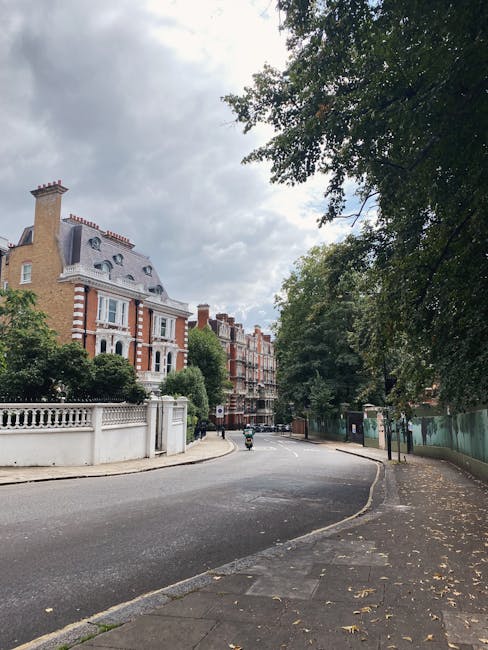
If you own a period property in Chelsea SW3, you already know the garden is never just "the garden". It is part of the architecture, part of the street scene, and part of the way the whole house feels when you step outside. A strong Chelsea SW3 gardeners guide for period property gardens has to respect that balance: classic proportions, mature planting, awkward access, limited space, and the reality of London life all packed into one plot.
That can sound daunting. Truth be told, it often is - until you break it down properly. The good news is that period gardens are usually very forgiving when they are handled with restraint, a clear plan, and the right maintenance rhythm. In this guide, you'll find practical advice on how to work with Victorian, Georgian, Edwardian, and late-Victorian gardens in Chelsea, what to preserve, what to refresh, and how to avoid the kind of mistakes that quietly chip away at a property's character.
You will also see where professional support makes a real difference, especially if you want a garden that looks elegant all year without becoming a never-ending weekend project. Let's get into it.
Why Chelsea SW3 gardeners guide for period property gardens Matters
Period property gardens in Chelsea are different from standard urban gardens in a few important ways. First, they often sit alongside elegant facades, formal proportions, sash windows, boundary walls, railings, and original features that deserve sympathetic treatment. Second, many plots are compact, shaded by neighbouring buildings, or arranged in long narrow shapes that reward precision rather than brute force.
That is why a one-size-fits-all gardening approach tends to fall flat. A scheme that looks lively in a new-build courtyard can feel jarring against a Georgian terrace. Likewise, a heavily planted cottage style border may overwhelm a refined London townhouse garden. To be fair, the wrong choices do not always look disastrous on day one. The problem is that they often become obvious a year or two later, when maintenance becomes harder, lines get muddier, and the property's natural balance starts to disappear.
In Chelsea SW3, period gardens also carry practical expectations. Owners usually want privacy, structure, and seasonal interest, but without losing that understated, lived-in elegance. A garden should feel like it belongs to the house. Not pasted on afterwards. That means thinking carefully about scale, materials, plant form, access routes, and how the space is used day to day.
Expert summary: the best period property gardens in Chelsea are rarely the most dramatic. They are the most coherent. Good planning protects the architecture, supports easy maintenance, and keeps the garden feeling calm rather than cluttered.
How Chelsea SW3 gardeners guide for period property gardens Works
A good approach starts with reading the garden, not rushing into changes. In a period property, the structure already tells you a lot. You look at the house style, the width of the plot, sightlines from inside, levels, drainage patterns, and where light actually lands during the day. On a bright spring morning, for example, the rear boundary might glow for a few hours and then sit in shade by lunchtime. That matters more than people think.
The work usually follows a simple sequence:
- Assess the existing framework. Identify what is worth keeping: mature trees, original walls, railings, paved paths, clipped hedging, or a good old structure plant.
- Clarify the style of the property. A Georgian garden tends to suit symmetry and restraint, while an Edwardian or Victorian plot may allow slightly looser planting, but still needs balance.
- Decide how the space will function. Is the garden for entertaining, quiet sitting, family use, pets, or year-round views from the kitchen and drawing room?
- Match plants to conditions. Shade, root competition, wind tunnels, reflected heat, and restricted soil volumes all influence performance.
- Build a maintenance plan. Period gardens often look best when clipped, tidied, and lightly edited on a regular cycle rather than left to run wild and then reset once a year.
That process sounds straightforward, and in principle it is. The nuance lies in the details. For example, a low box hedge may provide beautiful definition, but only if you are willing to keep it crisp and healthy. A climbing rose can be sublime on a Chelsea brick wall, but only if the support is right and pruning is done with some discipline. Small choices, big effect.
If you are comparing professional help, it is sensible to review a team's background and approach as well as practical points like pricing and quotes. For period gardens, process matters as much as price.
Key Benefits and Practical Advantages
A well-managed period garden offers more than visual charm. It can genuinely improve how a Chelsea property feels and functions. Here are the main advantages people tend to value most.
- Better kerb appeal and property presentation. A neat front or rear garden gives the house immediate composure. It quietly tells visitors the property is cared for.
- Stronger architectural harmony. Good planting and materials reinforce the house rather than competing with it.
- More usable space. Thoughtful layout can make a narrow garden feel calmer, wider, and easier to move through.
- Lower long-term maintenance stress. A balanced plant palette and sensible structure make upkeep simpler through the seasons.
- Better seasonal interest. In Chelsea, where many gardens are seen from indoors, year-round shape and texture matter a lot.
- Improved privacy without heaviness. Strategic hedging, screening plants, and layered planting can soften overlooking windows without making the space feel boxed in.
There is also a subtler benefit that homeowners often notice after the fact: the garden feels more "finished". You walk out with a cup of tea in the evening and the space just sits well. No awkward corner shouting for attention, no patchy hedge line, no random plant that never really belonged there. That calm, settled feeling is often the real goal.
Who This Is For and When It Makes Sense
This guide is useful if you are any of the following:
- owning a Victorian, Georgian, Edwardian, or late-period property in Chelsea SW3
- renovating a house and trying to keep the garden in step with the architecture
- dealing with an overgrown or tired garden that has lost its original character
- wanting a more elegant outdoor space for entertaining or everyday use
- balancing heritage appearance with modern needs like lighting, seating, and low-maintenance planting
- considering regular professional garden maintenance rather than one-off tidy-ups
It makes particular sense if you have inherited a garden that has been altered several times over the years. Many Chelsea gardens end up with a bit of everything: a paved section from one decade, a conifer from another, and a struggling border that has never quite recovered. Happens all the time. A clear plan helps you decide what to keep and what to remove without flattening the character of the place.
This is also for landlords, estate managers, and busy residents who simply do not have time to keep on top of clipping, pruning, and seasonal replanting. In that case, the value is not only in the design but in the consistency.
Step-by-Step Guidance
Here is a practical way to approach a period property garden in Chelsea SW3, whether you are improving it yourself or briefing a professional gardener.
1. Start with a proper site read
Walk the garden at different times of day. Notice where the light falls, where water collects after rain, and which parts feel exposed. Check the view from the house as well as from the garden itself. Period gardens are often experienced from indoors first, so the sightline from a sitting room window may be more important than the view from the back corner.
2. Decide what the garden should feel like
Do you want formal, romantic, relaxed, or quietly contemporary? A Chelsea period garden does not need to be stuffy, but it does need a clear tone. Without that, the result can feel muddled. One of the simplest questions to ask is: if this garden were a room, what mood would it have?
3. Protect the bones before adding detail
Good period gardens are built on structure. That might mean repairing edging, restoring a path, sharpening the hedge line, or reworking a border outline before adding new plants. If the bones are off, fresh planting will only disguise the problem for a season or two.
4. Choose plants that suit London conditions
Try to be realistic. Chelsea gardens deal with shade, pollution, drying winds in narrow passages, root competition from mature trees, and limited soil depth in paved areas. Plants that are pretty on paper may sulk in practice. A better approach is to favour dependable, well-behaved species with strong form, useful foliage, and a proven record in urban settings.
Think in layers:
- Framework plants: hedges, topiary, climbers, or small trees
- Middle layer: shrubs and structural perennials
- Detail layer: seasonal colour, bulbs, and texture plants
This layered approach keeps the garden interesting even when flowers are not at their peak. And, let's face it, in London the weather will test your optimism now and then.
5. Keep hard landscaping in step with the house
Stone, brick, gravel, timber, and metal should feel appropriate to the architecture. A period property often benefits from materials that look natural, durable, and quietly refined. Sharp, shiny, or overly decorative finishes can date quickly. The aim is not to copy the past exactly, but to avoid visual noise.
6. Build in access and maintenance access
One practical issue many people miss is access. Can a mower, wheelbarrow, or hedge cutter get through? Can someone reach the back of the border without trampling everything? If the answer is no, maintenance becomes frustrating and expensive. This is one reason professional planning pays for itself over time.
7. Set a seasonal routine
Period gardens look best when maintained little and often. Spring for cutback and refresh, summer for shaping and watering, autumn for soil care and preparation, winter for structure and pruning where appropriate. A garden with regular attention tends to stay elegant. A garden left "for later" usually becomes a full weekend, then several weekends, and then a mild regret.
Expert Tips for Better Results
These are the little things that make a real difference in Chelsea SW3 period gardens.
- Use repetition. Repeating a few plant types across the garden creates calm. Too many one-off choices can make a small space feel busy.
- Keep edges crisp. Clean lines around beds, paths, and lawns suit period properties beautifully.
- Respect verticals. Clipped forms, upright shrubs, and well-trained climbers help narrow gardens feel taller and more composed.
- Let one thing lead. If the house is highly decorative, keep planting restrained. If the facade is simple, allow the planting to carry a little more character.
- Be careful with scale. A plant that looks modest in a nursery can become dominant in a small Chelsea garden.
- Design for the view from inside. In many period homes, the garden is most enjoyed through glass on a grey afternoon. That matters more than people admit.
One small but useful habit: take a photo of the garden from the same viewpoint every few weeks. It makes it much easier to see what is becoming unbalanced. You notice things on camera that your eye skates past in person. Slightly annoying, but very helpful.
Where sustainability matters, ask how green waste is handled and how materials are reused or recycled. A responsible approach to clippings, soil, and packaging is part of good practice, and you can see the principles outlined in the site's recycling and sustainability information.
Common Mistakes to Avoid
Most period garden problems are not dramatic. They are slow, cumulative, and a bit sneaky. Here are the ones that come up most often.
- Overfilling the space. Too many plants, ornaments, containers, or materials can crowd out the architecture.
- Ignoring maintenance reality. A scheme that needs constant attention can work for a while, then starts slipping quickly.
- Using the wrong scale of planting. Big, blousy plants can swallow a compact garden, while tiny plants may disappear entirely.
- Mixing too many styles. Formal paving, cottage planting, tropical foliage, and hard-edged modern features can all work individually, but not always together.
- Cutting back too hard or too often. Some shrubs bounce back; others resent it. Knowing the difference matters.
- Failing to check drainage and soil condition. If you skip this, problems keep reappearing in the same spots. Same patch, same headache.
- Choosing plants for a catalogue photo. Lovely image, wrong garden. It happens.
A good rule of thumb is this: if a change makes the garden more complicated to maintain without making it clearly better to use or look at, think twice.
Tools, Resources and Recommendations
You do not need a van full of specialist kit to care for a Chelsea period garden, but the right tools help a lot. For routine maintenance, these are the most useful basics:
- sharp secateurs for clean pruning cuts
- long-handled shears for hedging and shaping
- a border fork or hand fork for loosening compacted soil
- a sturdy spade for lifting and dividing plants
- gloves that actually fit and protect your hands, which sounds obvious until you try to do rose work bare-handed
- watering cans or a watering system suited to containers and new planting
- a broom and edging tool to keep paths and borders tidy
For larger or more complex period gardens, professional support may include pruning plans, seasonal maintenance schedules, soil improvement, planting design, and ongoing garden care. If you are weighing up whether to go one-off or ongoing, it helps to review the pricing and quotes guidance so you can compare like for like.
It is also sensible to choose a gardener or team that takes safety and accountability seriously. For example, asking about health and safety policy and insurance and safety is not overkill; it is simply good due diligence, especially if ladders, cutting equipment, or tree work are involved.
If you want to speak to a local team about a period garden project, you can use the contact page to start the conversation.
Law, Compliance, Standards, or Best Practice
Most garden maintenance and planting work in Chelsea is straightforward, but period properties sometimes bring extra care points. If a garden is attached to a listed building or sits in a conservation context, alterations may need more sensitivity than a standard suburban plot. Even where planning permission is not required, it is wise to preserve existing character and check before removing anything significant.
There are also practical standards worth following:
- Work safely at height. If pruning or wall training requires ladders, proper equipment and safe technique matter.
- Handle waste responsibly. Green waste, old timber, soil, and packaging should be disposed of properly.
- Protect neighbours and shared boundaries. In dense parts of Chelsea, access, noise, and overspray all need common sense.
- Use suitable materials. Pressure, drainage, and surface slip resistance all matter on paths and terraces.
Professional firms should be clear about policies, responsibilities, and terms. If you are comparing providers, the pages on terms and conditions, privacy policy, and payment and security can give you a better sense of how they operate. It is not the glamorous part, admittedly, but it does matter.
For organisations that want clear complaint handling and service transparency, it may also be useful to review the site's complaints procedure and accessibility statement. Small details, but they help signal a serious operation.
Options, Methods, or Comparison Table
When looking after a period garden in Chelsea SW3, the main choice is often between a more formal, traditionally structured approach and a looser, planting-led style. Neither is automatically right. It depends on the house and how you use the space.
| Approach | Best for | Pros | Watch-outs |
|---|---|---|---|
| Formal heritage style | Georgian and classic townhouse gardens | Strong structure, elegant lines, easy to read from the house | Needs regular clipping and disciplined upkeep |
| Soft traditional planting | Victorian and Edwardian gardens | Warmth, seasonal variety, more relaxed feel | Can become messy if border structure is weak |
| Low-maintenance modern classic | Busy owners who still want a period feel | Cleaner upkeep, simpler planting palette, easier routines | Can look plain if it lacks texture or proportion |
| Hybrid redesign | Gardens that have been altered many times | Flexible, practical, tailored to the site | Needs careful design so it does not become a compromise |
In practice, many Chelsea gardens work best as hybrids: formal enough to suit the house, soft enough to feel welcoming, and simple enough to maintain without stress. That balance is the sweet spot.
Case Study or Real-World Example
Consider a typical Chelsea SW3 rear garden behind a mid-terrace period property: long and narrow, shaded at one end, with a small terrace nearest the house and a tired border at the far end. The original layout may have lost clarity over time. A few mature shrubs are doing too much, the path feels compressed, and the view from inside is a bit uneven.
A sensible restoration might begin with thinning overcrowded planting, improving the soil, and introducing a cleaner framework. A clipped hedge or repeated evergreen structure could sharpen the edges. Shade-tolerant perennials and ferns might be used at the darker end, while the sunnier section near the house could hold seasonal pots, fragrant planting, or flowering climbers. The path could be refined rather than replaced, provided the surface is still sound.
What changes most is not just the look, but the feel. The garden starts to read as one space again. The house and garden stop arguing with each other. On a quiet evening, with a bit of late light catching the leaves, the whole place suddenly feels more settled. That is usually the moment clients notice it properly.
If you are deciding whether to start small or undertake a fuller refresh, it is often wise to begin with structure and maintenance. You can always layer in seasonal planting afterwards. Starting with the bones saves a lot of wasted effort.
Practical Checklist
Use this checklist before beginning any Chelsea period garden project.
- Have you identified the architectural style of the property?
- Do you know which plants, walls, paths, or features should be kept?
- Have you assessed light, shade, drainage, and access?
- Is the garden's purpose clear: entertaining, relaxing, family use, or low-maintenance display?
- Have you chosen a planting style that suits the house?
- Are the materials consistent with the period feel of the property?
- Is there a realistic maintenance plan for the next 12 months?
- Have you considered safety, insurance, and working methods if professionals are involved?
- Do you know how garden waste and materials will be handled?
- Have you set a budget range and compared scope carefully?
Quick reminder: if a garden looks beautiful but cannot be maintained properly, it will not stay beautiful for long. That is the bit people forget when they are looking at inspiration photos at 11 p.m.
Conclusion
A Chelsea SW3 gardeners guide for period property gardens is really about balance: respect the building, work with the scale of the space, and choose plants and materials that age gracefully. The best results rarely come from dramatic reinvention. They come from careful editing, sensible structure, and a maintenance rhythm that keeps everything quietly under control.
Whether you are restoring a forgotten terrace garden, refining a formal courtyard, or simply trying to make a period property feel more complete, the key is to think long term. Small, considered improvements tend to have the biggest payoff. A better path line, a cleaner hedge edge, a better plant mix, a more coherent view from the house - these things add up.
If you want expert help planning or maintaining a Chelsea period garden, the next step is simple: review the service details, check the practical policies, and speak to a team that understands both heritage character and modern expectations. A good garden should feel easy to live with, not just pleasant to look at. And honestly, when it all comes together, it can feel a bit lovely.
Get a free quote today and see how much you can save.
Frequently Asked Questions
What makes period property gardens in Chelsea SW3 different from regular London gardens?
They usually have stronger architectural context, tighter proportions, and a greater need for visual restraint. The garden has to suit the house, not just fill the space.
How do I know if my garden suits a formal or relaxed style?
Start with the property itself. Georgian and classic townhouse homes often suit symmetry and structure, while Victorian and Edwardian gardens can tolerate a softer planting style. The key is to keep the overall tone consistent.
What plants work well in Chelsea period gardens?
Plants that offer structure, repeat well, and handle urban conditions tend to do best. Think in layers: hedging, shrubs, perennials, and seasonal accents. Exact choices depend on shade, soil, and available space.
How often should a period garden be maintained?
Usually little and often is the best approach. Many Chelsea gardens benefit from regular shaping, weeding, deadheading, and seasonal pruning rather than infrequent heavy work.
Can a period garden be low-maintenance and still look elegant?
Yes, but only if the design is disciplined. A simpler plant palette, strong structure, and well-chosen materials can reduce upkeep while preserving a refined look.
Do I need to keep original features in a period garden?
Not everything has to stay, but original walls, paving, boundaries, or mature plants can add a lot of value and character. It is usually worth assessing features carefully before removing them.
What are the most common mistakes with Chelsea garden makeovers?
Overcrowding, ignoring maintenance, choosing the wrong plant scale, and using materials that clash with the house are among the biggest issues. These are easy mistakes to make, especially when starting from scratch.
How do I improve privacy without making the garden feel closed in?
Use layered planting, carefully placed screening, and vertical structure rather than dense, heavy barriers everywhere. It is usually better to soften sightlines than to block them completely.
Should I hire a professional gardener for a period property garden?
If the garden has mature planting, access issues, or heritage-sensitive features, professional help is often worthwhile. A good gardener can save time and prevent expensive mistakes.
How do I compare quotes for garden work in Chelsea SW3?
Look beyond the headline price. Compare scope, maintenance frequency, materials, disposal, and whether the work includes aftercare. Clear pricing and quotes make it easier to judge value properly.
What should I ask before booking a gardener?
Ask about experience with period properties, safety practices, insurance, waste handling, and how they approach design and maintenance. A careful answer says a lot.
Is sustainability important in period garden maintenance?
Yes. Responsible waste handling, sensible planting choices, and reusable materials can all support a better garden without damaging its character. The best sustainable choices are usually the least wasteful ones, too.
Where can I learn more about the company before getting in touch?
It helps to read the about us page, review the terms and conditions, and check the relevant service policies before proceeding. A bit of homework now saves awkwardness later.