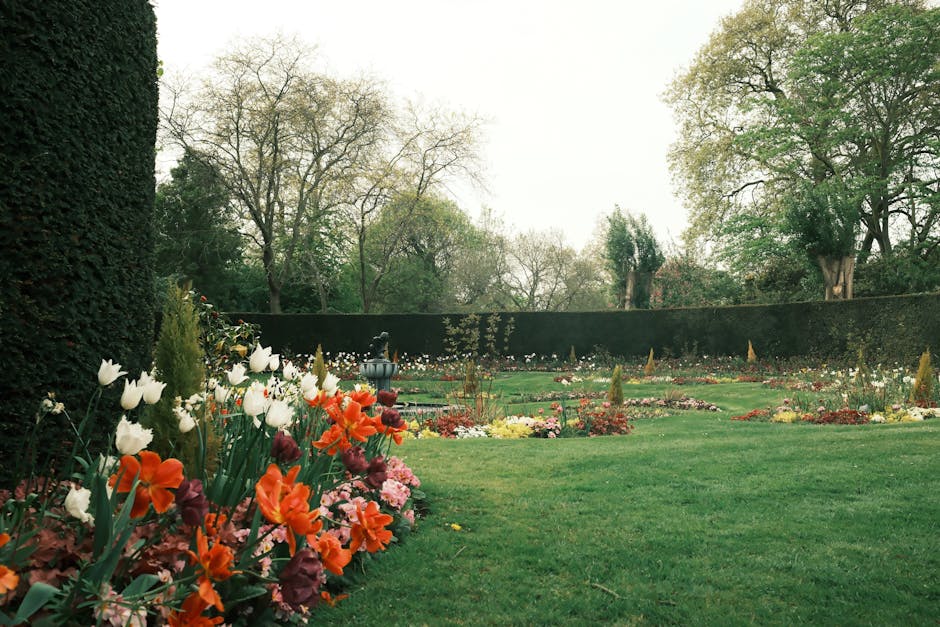
Camden NW1 gardeners small garden layout near Regents Park
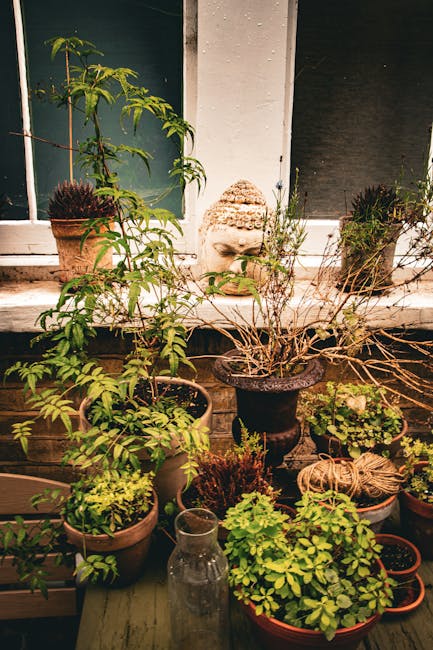
If you are looking at a compact outdoor space in NW1 and wondering how on earth to make it feel calm, usable, and not cramped, you are in the right place. Camden NW1 gardeners dealing with small garden layout near Regents Park know the job is rarely about "more stuff". It is about proportion, light, movement, and a design that works in real London life. A narrow courtyard, a modest back garden, or a tucked-away terrace can all become genuinely rewarding spaces with the right planning. The trick is to make every square metre earn its keep, without making the garden feel busy or overdesigned.
This guide walks through the practical side of small garden layout in Camden NW1: why it matters, how to plan it, what to avoid, and how to choose a layout that suits your routine rather than fighting it. You will also find a simple checklist, a comparison table, and a realistic example shaped by the sort of conditions you get near Regents Park and the surrounding streets. Let's face it, in a tight space, the wrong first decision can haunt the whole garden. The right one? You barely notice it, because the garden just works.
Why Camden NW1 gardeners small garden layout near Regents Park Matters
Small gardens in Camden do not forgive sloppy planning. You feel it immediately when a path is too wide, a planter is too deep, or a seating area blocks the one decent view. In a place like NW1, where many gardens sit close to surrounding buildings, fences, and mature planting, the layout has to do several jobs at once: it must guide movement, maximise usable space, and still leave room for planting that softens the hard edges.
Near Regents Park, the local character matters too. You are often balancing elegant, classic surroundings with the very ordinary reality of city living: overlooked gardens, mixed shade, limited storage, and the need for privacy without turning the space into a bunker. A thoughtful layout can make a tiny space feel calm in the morning and inviting by evening. That shift is huge. It changes how often you use the garden, which is really the point.
There is also the practical side. A good layout reduces maintenance headaches, helps drainage and access, and stops the garden from feeling cluttered after a few months. In our experience, the best Camden NW1 small gardens usually start with restraint. Not empty. Just restrained.
Expert summary: In a small NW1 garden, layout decisions matter more than expensive features. Start with circulation, light, and privacy, then add planting and furniture only where they genuinely improve daily use.
How Camden NW1 gardeners small garden layout near Regents Park Works
Good small-garden layout is basically space planning with a horticultural layer on top. A gardener or landscape specialist will usually begin by reading the site carefully: where the light falls, where people naturally enter and exit, which views are worth keeping, and which are not. Then the design is shaped around a few core elements rather than trying to use everything at once.
There are a handful of questions that guide the layout:
- Where do you want to sit?
- How much storage do you actually need?
- Do you want more planting or more open floor space?
- Is privacy more important than all-day sun?
- Will children, pets, or regular entertaining change the way the garden works?
In small London gardens, the answer is often "a bit of everything", which is fair enough, but the layout still has to prioritise. For example, if you place seating in the brightest corner and shade the rest with layered planting, the garden can feel much larger than it really is. If, instead, the layout chops the space into too many tiny compartments, it can quickly feel awkward.
Materials also affect how the layout works. Pale paving can bounce light into darker corners. Slimline edging can clean up lines without stealing space. Vertical planting can add greenery without eating into the floor plan. And yes, even the route from the back door to the furthest point should be considered. You notice a narrow, wobbling path every single day.
A lot of good small-garden work is about making the eye travel. A short path, a bench at the end, a strong pot group, or a well-placed screen can guide attention and make the space feel deeper. That is one of the quieter skills of Camden NW1 gardeners: knowing how to create flow without overcomplicating things.
Key Benefits and Practical Advantages
A well-planned small garden layout gives you more than a neat-looking plot. It changes how the garden supports your life.
- Better usability: You gain clear circulation, comfortable seating, and less wasted space.
- Stronger sense of calm: Small gardens can feel busy very quickly; a clear layout reduces visual noise.
- Improved planting success: Plants are easier to position when the framework is already right.
- More privacy: A layout can use screens, height, and planting to manage overlooking.
- Lower maintenance strain: Fewer awkward corners and random features mean less fiddly upkeep.
- Better value from every detail: Even modest investments have more impact when the layout is efficient.
There is a less obvious benefit too: a good layout makes future changes easier. You might want to swap planting styles, add a container display, or change the furniture later. If the garden is built around a sensible structure, those changes are simple. If not, everything becomes a little messy, a little annoying, and somehow always slightly off-centre.
For local properties near Regents Park, where space can be constrained and expectations are often quite high, this matters. A refined layout can make a small garden feel properly considered rather than simply squeezed in. That difference is noticeable from the kitchen window, from the back door, and on the first warm evening when you decide to stay outside a bit longer.
Who This Is For and When It Makes Sense
Small garden layout services make sense for a wide range of Camden NW1 homeowners and tenants, but they are especially useful if any of these apply:
- You have a narrow or awkward-shaped garden.
- Your outdoor space feels cluttered or underused.
- You want privacy without losing light.
- You need a family-friendly space that still looks grown-up.
- You are preparing a property for sale or rental and want the outdoor area to photograph well.
- You already have planting but the structure is not working.
- You want a garden that is easier to maintain through the seasons.
It also makes sense if you are starting from scratch after renovation work. That is one of the best times to rethink the layout because you are not trying to patch over old compromises. Truth be told, retrofitting a poor layout can cost more in frustration than in materials.
If you live near Regents Park, you may also be dealing with a mix of shade, mature boundaries, and changing privacy conditions through the day. That makes layout planning less about trend and more about fit. What looks beautiful in a catalogue may not survive real life in a compact NW1 setting. A practical design will.
Step-by-Step Guidance
Here is a sensible way to approach a small garden layout without getting overwhelmed.
1. Measure the space properly
Start with accurate dimensions, including irregular corners, drains, steps, inspection covers, and door swings. These details matter. A garden that is 3.2 metres wide on paper can behave very differently once you allow for a doorway and a bin route.
2. Map sunlight, shade, and privacy
Spend time noticing where the sun lands at different points in the day. Morning light and late-afternoon light can suggest very different seating positions. If one side is overlooked, that may be the place for screening or taller planting rather than the main sitting area.
3. Define the main use
Ask what the garden must do first. Is it for coffee, dining, relaxed planting, children, pets, or a mix? In small gardens, one main use should lead the design. Everything else follows that lead.
4. Set circulation lines
Before choosing planters or furniture, sketch how people move through the garden. Paths should be direct enough to feel natural but not so dominant that they waste space. A good line of movement can make a small garden feel longer or wider, depending on what you need.
5. Build a simple structure
This might include a patio zone, a slim path, a focal point, raised planting, or a screening element. Keep the structure clean. You can add detail later, but the base should already make sense when the garden is empty.
6. Layer planting carefully
Use a mix of height, texture, and seasonal interest. Keep larger plants where they help define the edges or frame a view. Lower planting can soften paths and seating areas. In smaller Camden spaces, planting should support the layout, not fight it.
7. Check maintenance and access
A beautiful layout that is impossible to maintain is not a win. Make sure you can reach taps, walls, pots, and any hidden corners. Leave enough space for pruning and cleaning. This one gets forgotten all the time, and then everyone regrets it by August.
8. Refine with a final walk-through
Walk the design in your head. Where do you step first? Where do you put a drink? Where does the eye land? Small gardens benefit from this sort of reality check more than grand gestures.
Expert Tips for Better Results
The best Camden NW1 gardeners small garden layout near Regents Park usually rely on a few old-school principles that still work brilliantly.
- Use fewer materials. Too many finishes can make a compact garden feel chopped up.
- Repeat shapes or tones. Repetition calms the eye and makes the space feel intentional.
- Choose multifunctional features. A bench can offer seating and storage; a screen can improve privacy and act as a backdrop.
- Keep the strongest feature in the right place. A focal point should earn its role, not just sit there looking decorative.
- Leave breathing room. A small empty patch is not wasted space if it helps the garden feel balanced.
One practical habit that helps: step outside at dusk and look at the garden from the doorway. Evening light in London can be surprisingly revealing. You will notice whether the layout feels cluttered, whether the seating area is actually welcoming, and whether the planting reads as one composition or a bunch of separate ideas. Small difference, big clue.
If you are unsure between two layouts, pick the one that is easier to live with, not the one that looks cleverer on a sketch. Clever is nice. Comfortable is better.
Common Mistakes to Avoid
Small garden projects often go sideways in the same few ways. Avoiding them saves money and a lot of muttering under your breath later.
- Overfilling the space: Too many pots, too much furniture, too many features. It all crowds the eye.
- Ignoring sightlines: If the view from inside is poor, the garden will feel disappointing even when you are not outside.
- Making paths too wide: In a small garden, circulation needs to be efficient.
- Choosing oversized furniture: Scale matters more than style when space is tight.
- Planting without a structure: Good plants cannot fix a poor layout on their own.
- Forgetting maintenance access: Lovely now, awkward later. Very common.
- Using only hard landscaping: A garden without enough softness often feels severe, especially in urban settings.
Another common one: people try to make the space "do more" by adding every feature at once. Dining area, seating area, storage, wildlife corner, statement tree, fire pit, big lawn substitute... and suddenly the small garden is exhausted before it has even begun. Choose your priorities. The garden will thank you for it.
Tools, Resources and Recommendations
You do not need a huge kit to plan a small garden well, but a few practical tools help a great deal.
- Measuring tape or digital measuring tool: Essential for accurate site dimensions.
- Notebook and simple sketch paper: Useful for recording movement, shade, and ideas.
- Camera or phone photos: Take images from the back door, side access, and main sitting points.
- String line or temporary markers: Helpful for visualising paths and seating footprints.
- Plant labels or notes: Handy if you are comparing heights, spread, and seasonal interest.
For practical services and support, it helps to work with a team that is transparent about process, pricing, and site care. If you are comparing providers, clear pricing and quotes are worth reviewing early so you know how the project is structured. If you want to understand the business side a little better, the about us page can help you gauge experience and approach.
It is also sensible to look at practical safeguards. Gardens often involve moving materials, lifting, cutting, and working near property boundaries, so standards around health and safety and insurance and safety matter more than people sometimes realise. Not glamorous, but important. Very important.
For readers who care about lower-impact choices, the site's recycling and sustainability page is a useful companion when thinking about waste, reuse, and material choices.
Law, Compliance, Standards, or Best Practice
Small garden layout in Camden NW1 is usually not a heavily regulated activity in itself, but there are still sensible boundaries and best practices to follow. If a project affects boundaries, drainage, shared access, trees, or neighbouring structures, it is wise to think carefully before changing anything. In some cases, you may need to check permissions or property-specific obligations before work begins.
For most household projects, the bigger issue is not formal regulation but good practice: safe work methods, responsible waste handling, respect for neighbours, and care around services or buried features. A proper professional approach should include clear communication, tidy working methods, and attention to access. That is especially relevant in denser parts of Camden where space is limited and disruption can spread quickly if a job is poorly managed.
When a company has documented policies on terms and conditions, privacy, and payment and security, that tends to signal a more organised process. You may never need to read every line, but it is reassuring to know the paperwork exists. And if there is ever a concern, a clear complaints procedure is part of a trustworthy service.
For accessibility or communication needs, the accessibility statement may also be helpful. That is not a layout issue directly, but it can matter when arranging consultations or reviewing project information.
Options, Methods, or Comparison Table
Small garden layouts can be approached in a few different ways. The right method depends on how you want to live in the space.
| Layout approach | Best for | Strengths | Trade-offs |
|---|---|---|---|
| Single-zone layout | Very small gardens with one main use | Simple, calm, easy to maintain | Less flexibility for multiple activities |
| Split-zone layout | Narrow gardens needing dining and planting | Creates clear function in each area | Can feel busy if overdone |
| Linear layout | Long, slender plots | Guides the eye and improves flow | Needs careful width control |
| Courtyard style | Compact paved or enclosed spaces | Strong for privacy and structure | Planting must work harder to soften hard surfaces |
| Soft-structured layout | People who want a relaxed, planted feel | Gentler, more natural atmosphere | Requires disciplined plant choices to avoid clutter |
If you are undecided, a single-zone or linear layout is often the safest starting point in NW1. You can always add layers later. Trying to do everything at once is where many small gardens lose their shape.
Case Study or Real-World Example
Imagine a modest back garden near Regents Park: narrow, partly shaded, overlooked from one side, and used mainly by a couple who want somewhere to sit with coffee, a book, and the occasional friend on a summer evening. The garden is not huge, and there is a strong temptation to fill it with big paving, large pots, and a chunky table set. That would feel busy very quickly.
Instead, a better layout might use a slim central path, a compact seating terrace at the sunnier end, and layered planting along the perimeter. A narrow raised bed on the overlooked side could provide screening without blocking all the light. A pale surface could brighten the darker corner. A small bench, rather than a full dining suite, might suit the space far better on ordinary weekdays. The result is not dramatic in a flashy sense. It is better than that. It is usable.
The surprising thing with gardens like this is how much smaller they feel before the layout is sorted and how much larger they feel afterwards. Nothing magical happened. Just better choices. A few inches here, a cleaner line there, a plant with the right height in the right place. Enough to change the mood of the whole plot.
That is the real value of Camden NW1 small-garden planning. It turns a difficult corner of outdoor space into somewhere that feels composed, personal, and quietly satisfying.
Practical Checklist
Use this as a quick pre-design or pre-booking check.
- Have you measured the garden accurately?
- Do you know which areas get sun, shade, and wind?
- Is the main use of the garden clear?
- Have you identified the best view from inside the house?
- Do you know where privacy is weakest?
- Have you allowed enough room for movement and maintenance?
- Are your chosen materials appropriate for the scale of the space?
- Will the planting support the layout instead of overwhelming it?
- Have you considered drainage, access, and practical working space?
- Do you have a clear budget and a realistic scope?
Quick reminder: if a layout only looks good in a perfect sketch but feels awkward in real life, it is probably not the right one. A garden should be easy to enjoy, not something you need to negotiate with every time you step outside.
For the next step, a direct conversation is usually best. If you want to talk through options, you can use the contact us page to start the discussion.
Get a free quote today and see how much you can save.
Conclusion
Designing a small garden layout near Regents Park is less about making a loud statement and more about making intelligent choices that hold up every day. The right Camden NW1 gardeners will look at the space as a whole: light, privacy, movement, maintenance, and the way you actually live. That is what turns a compact garden from a compromise into a place you genuinely want to use.
If you keep the plan simple, respect the scale, and resist the urge to overfill the space, the result can be surprisingly elegant. Small does not have to mean cramped. With careful layout, it can mean intimate, practical, and quietly lovely. And honestly, that is often better.
One well-shaped garden, even a tiny one, can change the feel of the whole home. Not bad for a few thoughtful decisions.
Frequently Asked Questions
What makes a small garden layout work in Camden NW1?
A good Camden NW1 small garden layout works by prioritising flow, scale, and privacy. It should make movement easy, keep the garden visually calm, and leave enough room for the main activities you actually want to do.
How do Camden NW1 gardeners design small gardens near Regents Park differently from larger spaces?
They usually focus more on structure and proportion. In smaller spaces, every line and every object matters more, so the layout has to be clearer and more disciplined than in a bigger garden.
Can a very small garden still have seating and planting?
Yes, absolutely. The key is choosing the right size and type of seating, then using planting in layers rather than bulky clusters. A bench, fold-away chairs, or built-in seating often works well.
What is the biggest mistake people make with small garden layouts?
Overcrowding. People often try to include too many features, which makes the garden feel smaller and harder to use. Simpler layouts almost always perform better.
How much planning do I need before starting work?
Enough to understand the site properly. Measure the space, note sun and shade, decide the main use, and think about maintenance. A little planning goes a long way, and it saves a lot of rework.
Are raised beds a good idea in a compact NW1 garden?
They can be, if they are sized carefully. Raised beds help with structure and planting depth, but oversized beds can steal valuable floor space. In a small garden, slim and intentional is usually best.
What type of layout is best for a narrow garden?
Linear layouts often work best because they reinforce the shape of the garden and guide the eye forward. That said, the exact arrangement depends on where the light comes from and how you want to use the space.
Do I need professional help for a small garden layout?
Not always, but professional input can be very useful if the space is awkward, overlooked, or expected to do several jobs. A good designer or gardener can spot issues you might miss at first glance.
How do I make a small garden feel more private without blocking light?
Use layered screening, slender vertical elements, and planting at different heights rather than one heavy barrier. That usually creates privacy without making the garden dark or closed in.
What should I ask before getting a quote?
Ask what the layout process includes, how materials are chosen, how access and waste are handled, and what happens if the scope changes. It is also sensible to review pricing and quotes before you commit.
How can I keep a small garden easy to maintain?
Keep the structure simple, choose plants that suit the light levels, and leave space for access. Maintenance becomes much easier when the layout has been designed with upkeep in mind from day one.
Is it worth improving a small garden before selling a property?
Usually, yes. A neat, well-composed garden can improve the first impression of a home and make the whole property feel better cared for. It does not need to be fancy; it just needs to look coherent.
For further reassurance around service standards and practical arrangements, you may also want to review the site's terms and conditions and privacy policy. Small details, yes, but they matter when you are choosing who to trust with your space.